


官窑瓷器
从某些方面看,叙述中国官窑瓷器的历史就是在叙述中国的历史。几千年来,这种鲜活迷人、精美多样的艺术形式让世界各地的人们为之痴迷。
中国御窑瓷器,也称官窑瓷器,是专供宫廷御用烧制的瓷器。御器厂始建于明洪武二年,位于景德镇市南部的珠山区。
自14世纪景德镇御器厂建立,烧制的瓷器大多带有年号,即款识。款识由少数专门的工匠书写,有的人一生都在书写同一个年号。
-

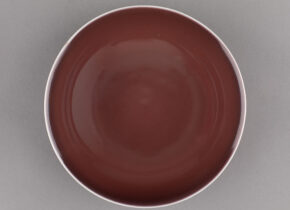
M5095
£35,000粉彩双龙戏珠纹盘
-
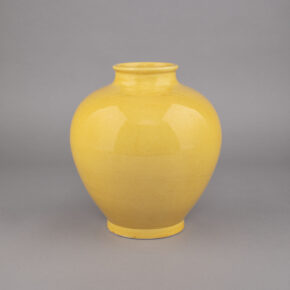
M4566
£58,000黃地紫綠龍葡萄紋碟
-
R9952
£30,000黃地紫綠龍葡萄紋碟
-
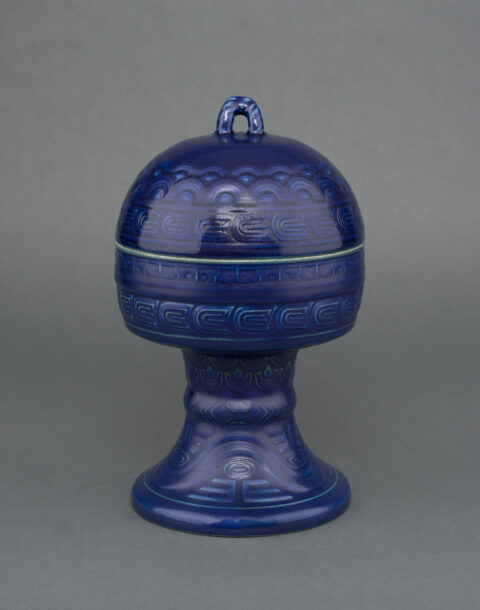
M3292
£POA掐丝珐琅莲纹香瓶


Further information
Over the centuries, the royal court generated massive demand for Chinese Imperial porcelain, now highly collectable antiques. Imperial China had main palaces and residences and the royal princes had subsidiary regional courts. There were also many regional temples that required Imperial ware. In China, each household rank was entitled to a very specific collection set out in a written list. The last of which was produced in 1899 and specified that:The Empress Dowager Cixi received 821 pieces of Imperial yellow Chinese porcelain, the Empress received 1,014 pieces, a concubine (first rank) received 121 pieces of Imperial yellow Chinese porcelain with a white interior and a concubine (second rank) received 121 pieces of Imperial yellow Chinese porcelain decorated with green dragons.As more and more Imperial ware from China made its way into international collections, especially the cobalt blue designs from the Ming dynasty, Chinese Imperial porcelain developed a major influence over the world’s most famous design houses, most notably Delftware from the Netherlands.The Kangxi Emperor (1661 – 1722) revived the Imperial Chinese porcelain factories in Jingdezhen after a 60-year period of dormancy. Under his reign, and of his successors Yongzheng and Qianlong, the Imperial Chinese porcelain factories flourished. Not only did they take inspiration from their predecessors, they combined it with amazing developments in production techniques to make exceptionally high quality Imperial ware. China, for example, led the way in the development of many of the techniques still in use today, including the development of opaque overglaze enamel colours that allow artists to create a much broader range of shades and hues.
您也可以关注

清代瓷器:三家私人珍藏
来自唐绍仪、Henry Mazot和Jeffrey Stamen三位私人藏家的旧藏

日本 韩国
日本和韩国的陶瓷

私人珍藏康熙五彩
18件康熙五彩瓷器,展览时间为2021年10月28日-11月12日。
