


单色釉
将希腊文monokhromos一词分解,mono意为“单一”,khromos意为“色彩”。中国的单色釉瓷器一直被认为是陶瓷界的重大成就之一。
中国单色釉瓷器源于宋代(960-1279)。第一个千禧年之际,中国曾是世界上最发达的文明之一,这个时代里中国因发明了活字印刷、纸币、火药、指南针而闻名,还出现了最早的餐馆概念。
中国早期单色瓷主要为黑白两色,但不久后,不同窑口之间产生了竞争关系,各个窑口竞相烧制最为精美的单色釉瓷。
宋元之交,中国单色釉瓷瓶的烧制技术产生了飞跃,实际上所有器型的烧制都得到了改善。
单色釉瓷在元代持续发展,明代则创制了新的上釉技术。明代最受宫廷喜爱的是黄釉、红釉和蓝釉。
到了清代,单色釉深受帝王和宫廷喜爱。清代的技术革新烧制出了许多种类的釉色,如豇豆红釉、茶叶末釉、炉钧釉、青釉和天蓝釉等,受宋代瓷器启发的仿哥、官、汝釉也再次出现。同时也发展出了淡粉、胭脂红、柠檬黄、松石绿和青绿等彩釉。
-

M4896
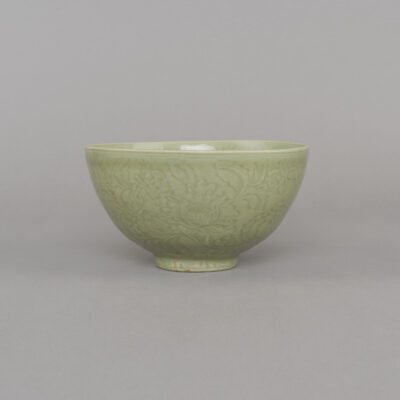
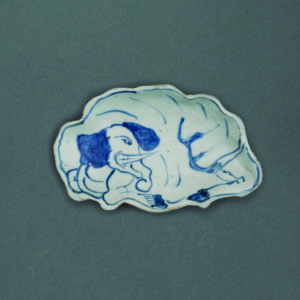
£68,000龙泉窑四季花卉碗
-
M4905
£23,500龙泉青釉三足冲耳炉
-
M4957
£16,500龙泉窑青釉八卦纹三足香炉
-
M4957
£16,500龙泉窑青釉八卦纹三足香炉
-
M5241
£58,000黄釉罐
-
M5405
£7,500龙泉窑青釉镂空长方形博古插屏
-
M5417
£POA龙泉窑缠枝牡丹纹蕉叶纹凤尾尊
-
M5433
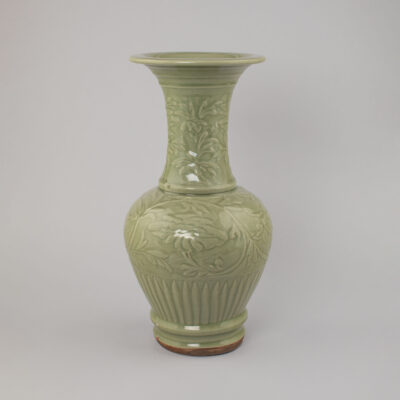
£72,000Large Chinese Longquan celadon-glazed vase of yenyen, feng wei zun, phoenix-tail, form, with tall, cylindrical flared neck, baluster body and raised foot, carved with large peony blooms on a continuous leafy branch, repeated on the neck, all on a slightly combed ground, between three classic ribs beneath the flared rim and with upright leaves above the foot, the footrim burned red in the firing with recessed glazed base, covered overall in a rich and even, luminous celadon glaze.
-
M5518
£8,500龙泉窑青釉八卦方型香炉(带盖)
-
M5561
£16,500龙泉花卉纹碗
-
M5756
£23,500蓝釉瓜棱橄榄瓶
-
M5792
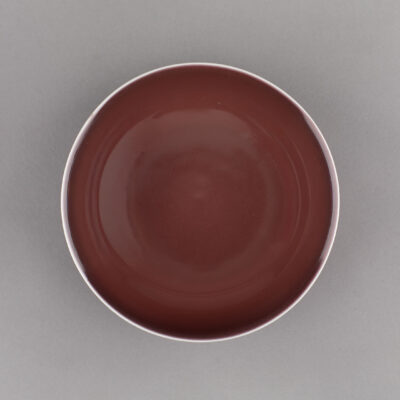
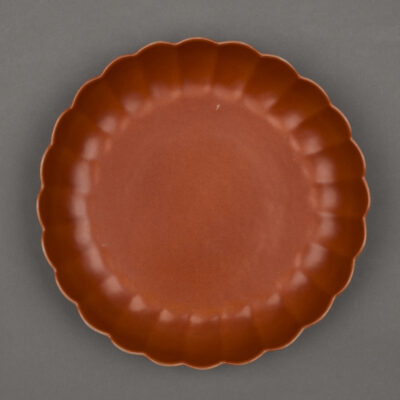
£18,500祭红釉盘
-
R1058
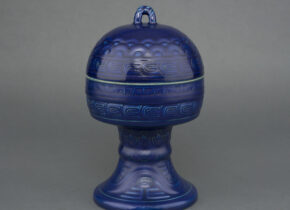
£58,000祭蓝釉浅浮雕豆
-
R1380
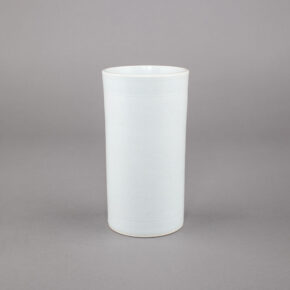
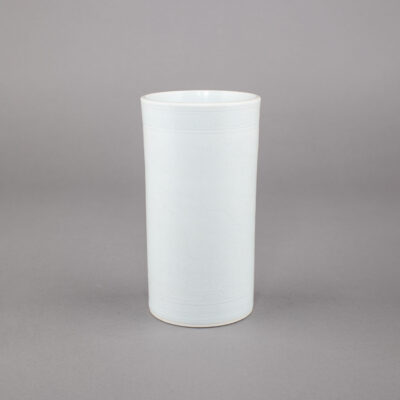
£29,500白釉暗花喜上眉梢笔筒
-
2- M5253
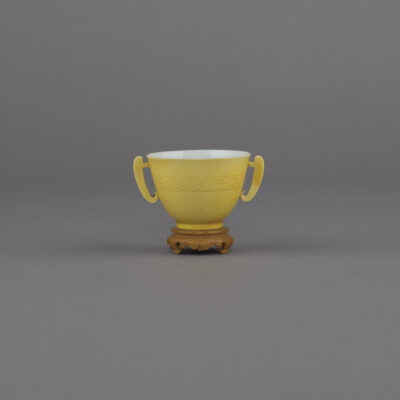
£POA康熙黄釉暗刻龙纹耳杯
-
R1248
£POA雍正珊瑚红釉菊瓣盘
-
20 – M5145
£POA乾隆粉青釉折枝花果纹碗
-
26 – M4491/2
£POA乾隆天蓝釉浅浮雕盖豆一对









Further information on 单色釉
Chinese monochromes took a starring role in state ceremonies because traditional Chinese beliefs assumed that ritual vessels must be Chinese monochromes of glazed porcelain of particular colours, representative of four temples in Beijing and the gods they represented:Blue Chinese monochrome porcelain – Altar of Heaven (tiantan)Yellow Chinese monochrome porcelain – Altar of the Earth (ditan)White Chinese monochrome porcelain – Altar of the Moon (yuetan)Red Chinese monochrome porcelain – Altar of the Sun (ritan)The reign of Kangxi at the start of the Qing dynasty was when the techniques of Chinese monochromes began to mature.The beauty of Chinese monochrome vases, indeed all Chinese monochrome porcelain was in the technical accomplishment, the finesse of the colours and the quality of the glaze. It’s testament to the processes developed to produce monochrome Chinese porcelain that the colours have remained as spectacular as they were the day they were fired.Arguably the most famous of all the colours, not just of Chinese monochrome porcelain but of all Chinese porcelain, blue is almost infinitely varied and the cobalt used came from as far away as modern-day Iran – from the most pale clair de lune to the deepest shades known as Mazarine blue.
您也可以关注
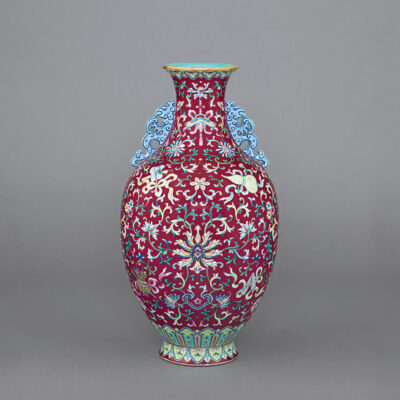
粉彩
以粉色釉上彩为主的彩瓷

青花
青花瓷器

德化白瓷
明代和清代生产于福建德化的白瓷
